Books, films, shows, and internet rabbit holes.
The cursed legacy of a golden IP (and why I still have hope)
The price of admission for adult Team Avatar is cutting through modern streaming chaos and corporate drama
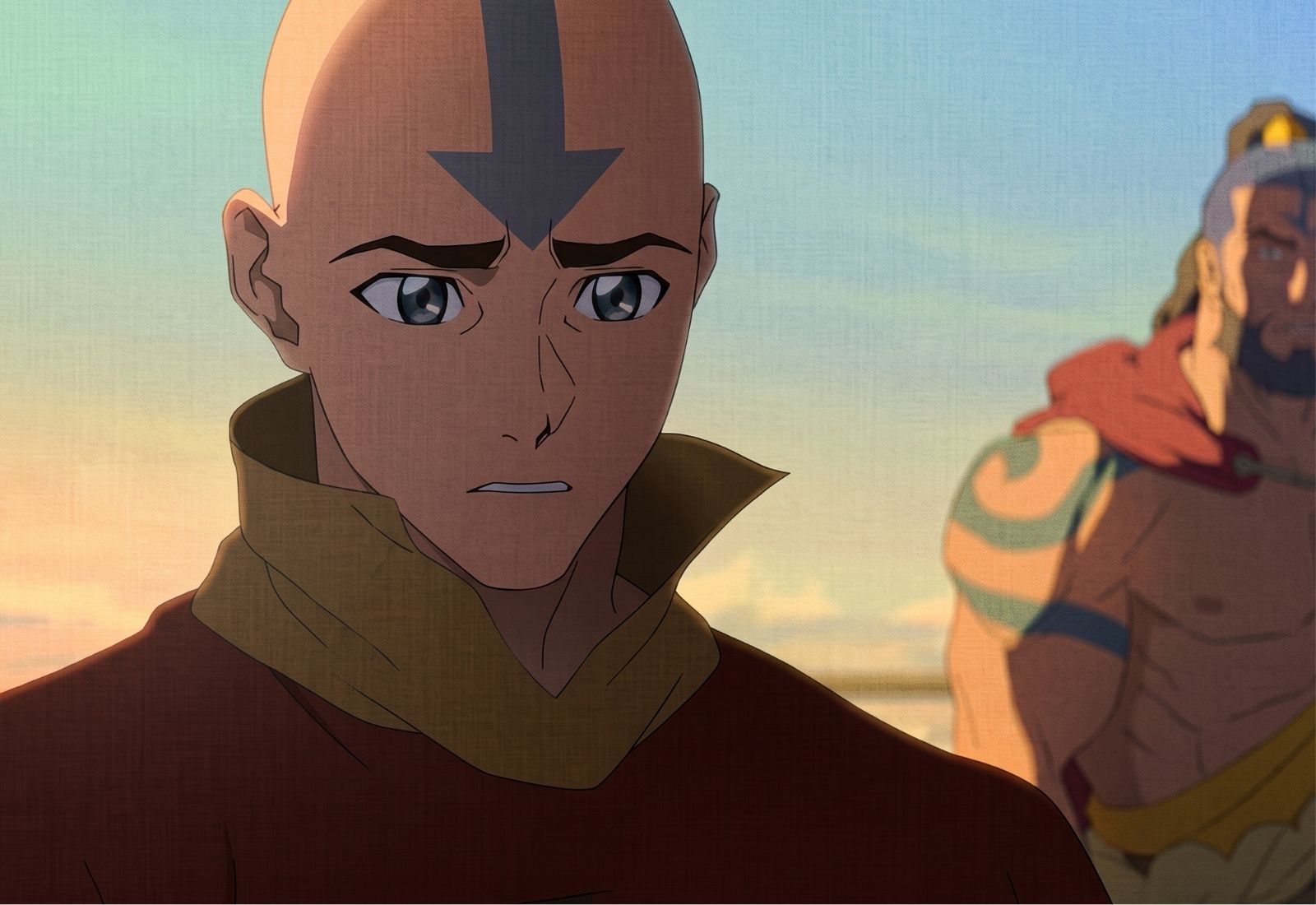
If you had told me years ago—back when I was first marathoning Avatar: The Last Airbender on a scratched DVD set —that we’d eventually get a brand-new, big-budget animated movie with the original creative team and the original characters as adults, I would have been ecstatic.
When Avatar Studios and the idea of an animated cinematic franchise set in this universe was announced a few years back, I have envisioned an MCU-like moment— the energy at the theater, the collective gasp when the theme music hits on a massive sound system. It felt natural to think this was destined to be a huge, cross-generational cinematic event.
Instead, the trailer finally dropped just a few days ago, and while it looks absolutely stunning, the excitement came with a heavy side of disappointment. Last December, Paramount had already quietly killed the theatrical release, announcing it would skip cinemas entirely for an October drop on Paramount+. But then that massive, high-quality leak of the full movie hit the internet in April, and the studio panicked—pulling the release date all the way forward to July 25th.
So now, instead of this grand, nostalgic homecoming being a shared cultural moment in a dark theater, it’s just a rushed, straight-to-streaming drop. A literal pop-up notification on our phones.
If by some stroke of luck they had stuck to their original plans and put this thing in cinemas, I would be there on opening night, no questions asked. The trailer alone shows you how gorgeous and well-made it is; you can absolutely tell it was explicitly built for the big screen.
It’s a shame that people won’t get the chance to buy a ticket and support it properly. Paramount+ is not even available here so while this is touted as a “global” release, Pinoy fans like me are just not gonna be able to see this when it comes out.
This kind of frustrating roadblock feels almost entirely on-brand for this franchise. Being a fan of this universe lowkey feels like living in a constant state of whiplash.
The original run and The Legend of Korra are masterclasses in animation and storytelling, but everything we know that has happened behind the scenes has felt like a massive uphill battle.
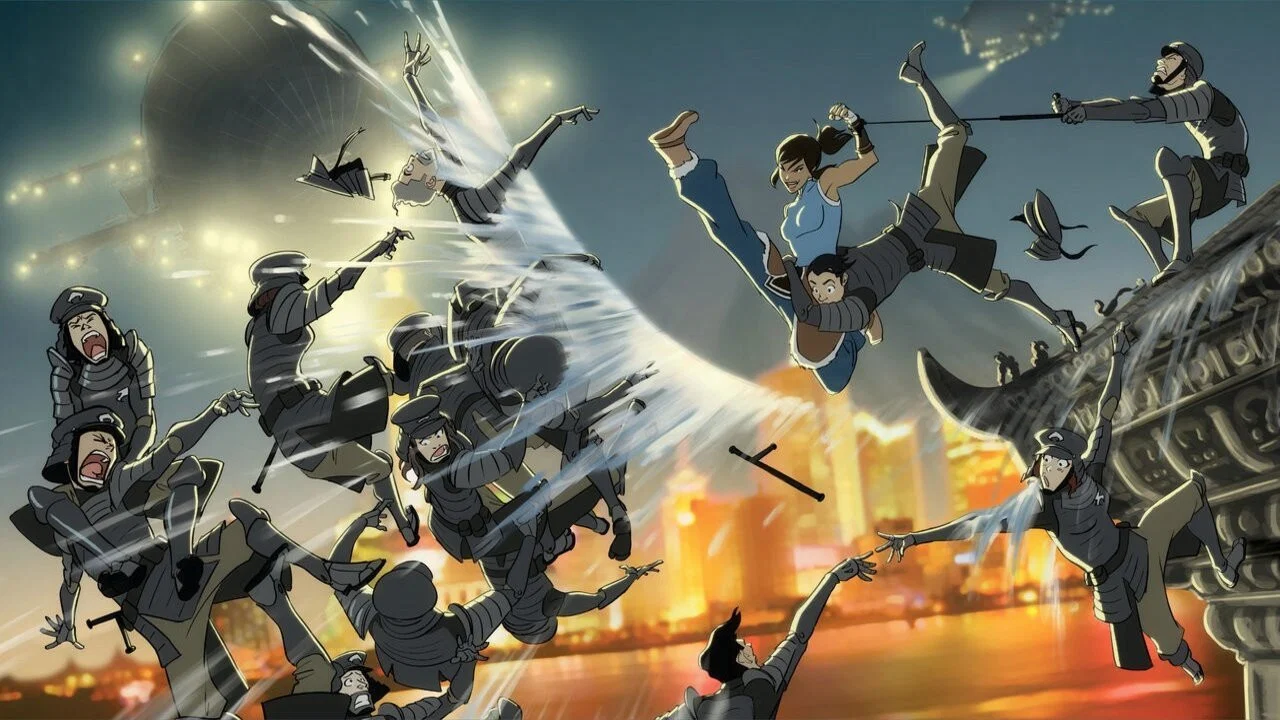
Even Korra—a show I absolutely love—was fighting for its life every single season because of network mismanagement. It was ordered piecemeal, had its budget slashed mid-production, and was unceremoniously pulled from TV broadcast mid-season to be dumped on a clunky website.
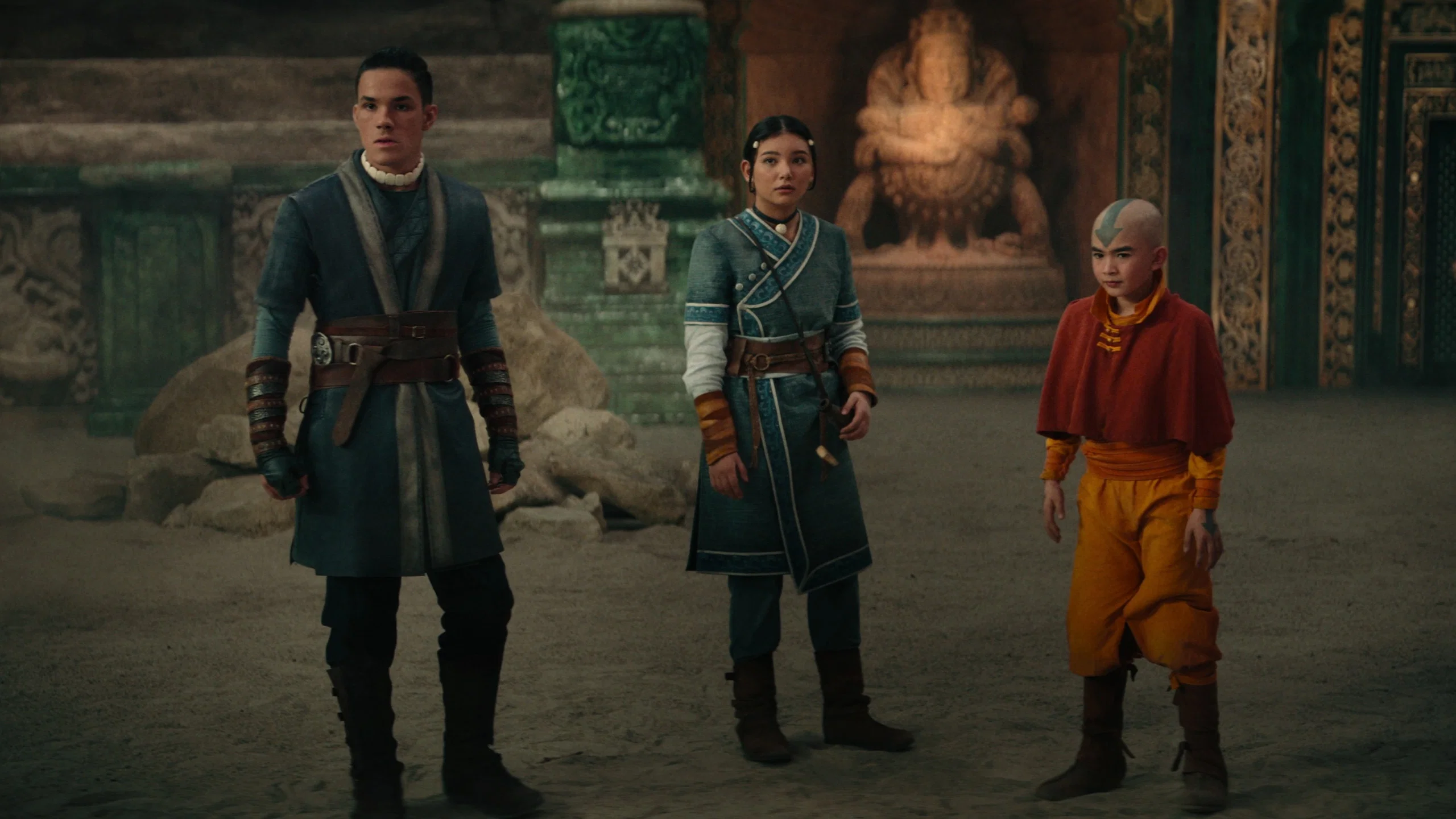
Then we had the live-action Netflix series over the last couple of years. The first season was honestly a bit rough to get through, relying heavily on our collective nostalgia to carry us past some rigid writing and acting choices. But when Season 2 dropped this year, I realized I had to make a conscious choice: stop comparing it to the original masterclass and just try to enjoy it on its own terms. Once I did, it actually bumped up to a B+ for me. The cringe is still there, but at least shooting Season 3 back-to-back means we don’t have to watch the cast age out of their roles in real-time.
But “stable and fine” shouldn’t be the ceiling, which brings us back to the current cinematic mess.
I know there’s a vocal side of the fandom online—the ones signing the Change.org petitions—constantly screaming, “Why do we need to convince a studio to let us give them money?! Just put the movie in theaters!” But honestly? That sounds a bit out of touch with how Hollywood works in 2026.
Releasing an animated film globally requires a separate marketing budget—Prints and Advertising—that can easily rack up $50 million to $100 million. When you factor in that theater chains take a 50% cut of ticket sales, a movie has to make an absolute mountain of cash just to break even. That petition had about 100,000 signatures. To an online community, that feels huge. To a studio boardroom, it’s a rounding error that wouldn’t even cover the promotional tour budget. Outside of absolute titans like Disney or Pixar, putting narrative-heavy animation in theaters right now is an incredibly expensive gamble. Paramount clearly looked at the math and decided to use this gorgeous movie as streaming ammunition to keep people subscribed to Paramount+ instead of risking a box-office bomb. I get the business reality. It’s a cold fact.
But acknowledging the math doesn’t stop the inevitable fallout when the internet does what the internet always does.
When the film leaked in April, it opened up a conversation that felt both incredibly necessary and, surprisingly, pretty clear-cut. It wasn’t just a mindless internet flame war; it was a moment where the conflicting realities of being a fan, an artist, and a consumer in 2026 all came into sharp focus at once.
I’ll just be completely transparent here: I watched the leak on Twitter. Creatively, it blew me away. But watching it on that tiny screen as it interrupted a good hour and a half of my doomscrolling, it was immediately clear how this was meant to be experienced.
It makes you think about the artists, animators, and actors who spent years pouring their souls into this project. When the leak hit, a lot of them expressed real sadness and frustration online, and it’s easy to see why. To have your hard work unceremoniously dumped onto the internet through a backdoor, stripped of the grand presentation you intended, is a genuine fucking shame.
Now, to be a little pragmatic—and not to sound blasé about it—those artists did get paid for their labor. Their livelihoods weren’t stolen. But it’s disingenuous to pretend the hurt is only about money. There is an emotional pride in seeing your work presented the right way, as a finished, official event. The leak absolutely robbed them of that moment, and that genuinely sucks. It undeniably hurt the film’s rollout.
But it only hurt it to a point, and that’s where the other side of the conversation naturally flows in. You can’t really blame or shame everyday consumers for clicking a link to see a piece of their childhood, especially after the studio had already stripped away the option to buy a proper theater ticket. Realistically, once a file is on the web, it’s an unstoppable mechanical reality of the digital age that people will look at it. The leak didn’t kill the grand theatrical event; Paramount’s corporate strategy did that months prior. The conversation around the leak isn’t a battlefield—it’s just a very clear mirror reflecting the messy, compromised reality of the media system we’re left with.
So where does that leave the universe? I’m not a gamer tracking leaked RPGs, but I am the kind of nerd who voraciously consumed the Dark Horse graphic novels to see where the story went next. I’m the kind of fan who loved listening to Janet Varney and Dante Basco’s Braving the Elements podcast just to get a glimpse into the creative insight and production history of these shows. And from that perspective, the future isn’t actually dead.
From what I could see Avatar Studios is still quietly pushing forward. They are actively working on Avatar: Seven Havens, the new Earth Avatar series slated for 2027. The grand, sprawling, Marvel-style multi-platform rollout they promised years ago has definitely been downscaled by corporate shifts, but the core creative engine is still functional.
Ultimately, being an Avatar fan means learning to cut through the corporate apparatus just to appreciate the art. The system around it might be completely fractured, but the creative spirit somehow holds the line. The universe of Avatar has always been a story about young people trying to balance a chaotic world that is shifting beneath their feet—a narrative about resilience in the face of institutional failure.
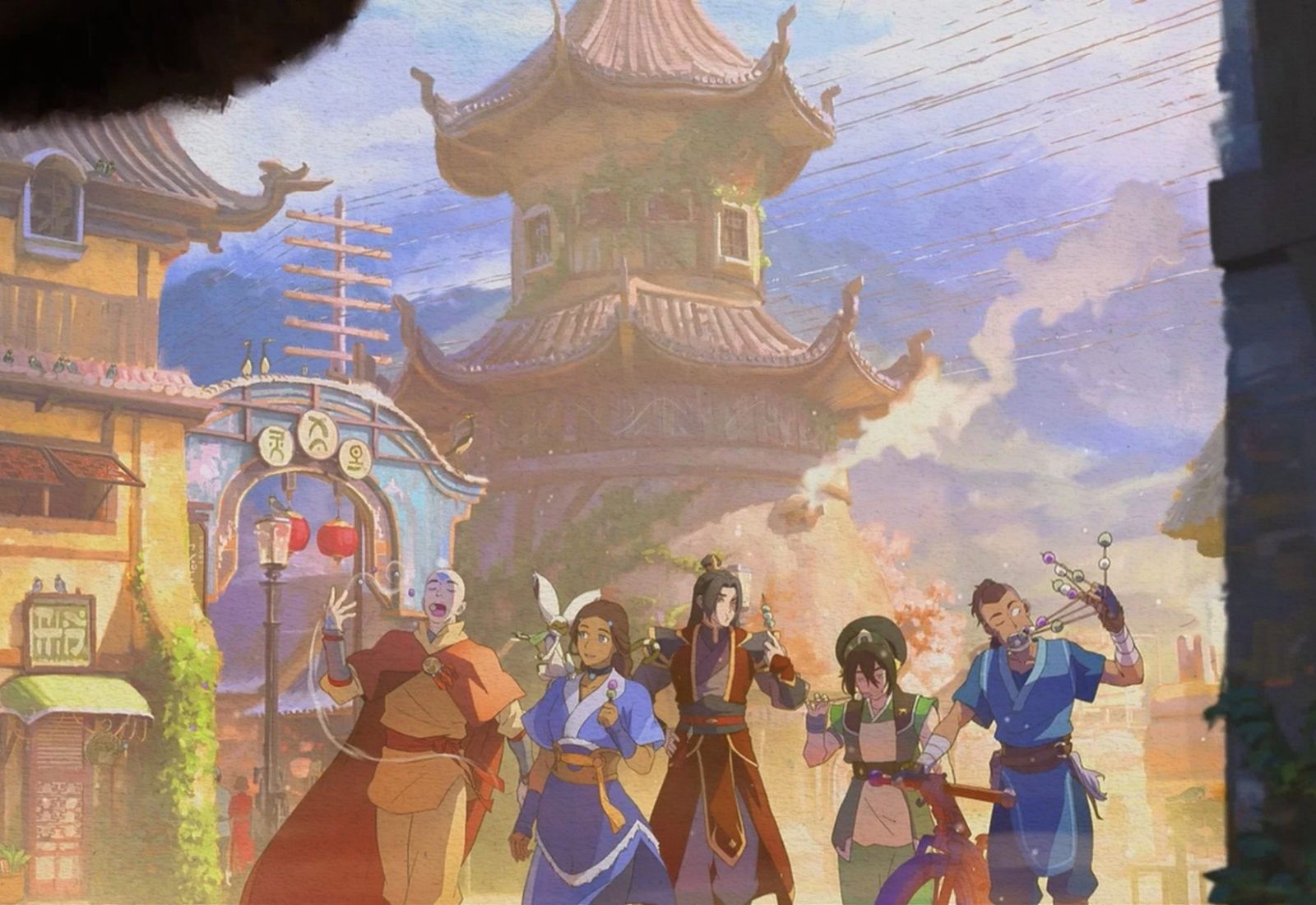
It turns out the real-world franchise is exactly the same way. The rollout of Avatar Aang may be an absolute dumpster fire, but the spirit of the universe remains undefeated. Come July 25th, I’ll be on my couch, opening up the app on a VPN, and (re)watching the the Gaang return. Because as long as the stories themselves continue to be genuinely good, I’m still locked in. ◼️