Books, films, shows, and internet rabbit holes.
No ethical way to get back to Hogwarts
On how nostalgia became indefensible
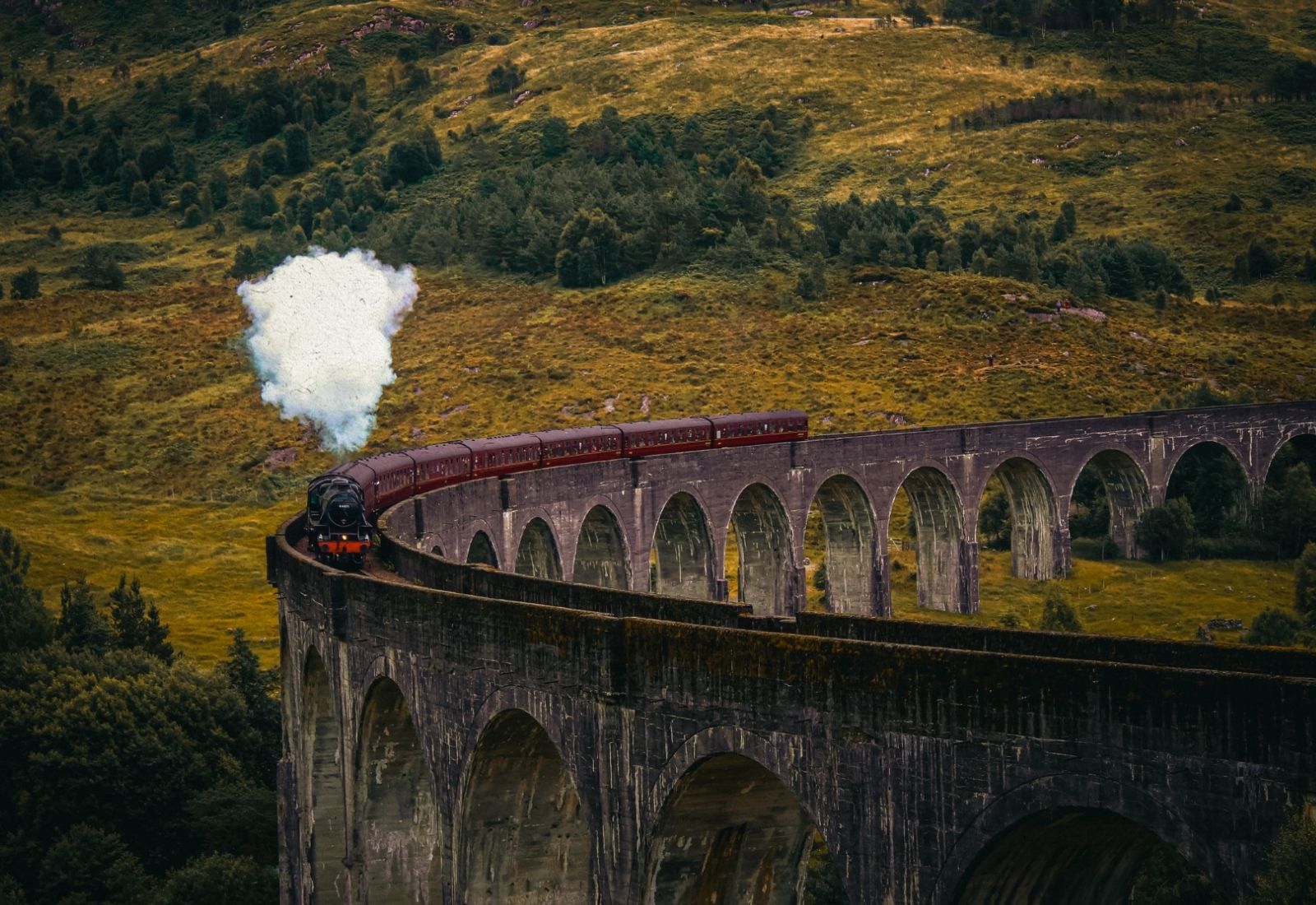
I’m in the millenial bracket that makes me belong to the exact age group a certain franchise lodged itself into with frightening efficiency.
I was a kid when Harry Potter was still just a children’s book series that felt like it was growing up alongside us, before it became the kind of cultural juggernaut that swallowed everything whole. And whatever else I can say about it now, one thing that remains true is that Harry Potter was the first proper full-length novel I ever read cover to cover. Not assigned reading. Not something I had to be dragged through for school. A real book I picked up and finished on my own. So yes, there is a specific kind of attachment there. A real nostalgic tether. The kind that is difficult to explain to people who did not come of age with this thing sitting right in the middle of popular culture like it was unavoidable weather.
So when the first trailer for HBO’s Harry Potter remake came out, of course I watched it. I was always going to watch it. Curiosity alone was enough. But I also made the mistake, or perhaps the very useful choice, of reading the comments under it.
And the divide was exactly what you would expect.
On one side, there were the people firmly holding the line that there is no ethical consumption of anything J.K. Rowling is still directly involved in, especially not something this massive, this high-profile, this clearly designed to make the franchise newly profitable all over again. On the other, there were the people who still cannot let go of the nostalgia, who insist on separating the art from the artist, who argue that once a story is released into the world it stops belonging solely to its author and becomes ours too.
And to a point, I get that. I do. I can respect the emotional logic of it, even if I no longer agree with where it lands. I would be lying if I said I had never thought some version of that myself. Because that is the thing about growing up with a story. You do not just consume it. You build little parts of yourself around it. You carry it. You let it mean something. You let it keep meaning something long after the author has proven themselves smaller, meaner, and more committed to harm than the world they created ever seemed to be.
But I think this is the part fans, especially deep fans, need to sit with more honestly. Not just the casual viewers. Not just the people dipping in for a bit of nostalgic comfort. The people who really loved what these books claimed to stand for. Friendship. Justice. Protecting the vulnerable. Choosing what is right when it is harder than choosing what is easy.
Because if those themes meant anything beyond merch and house quizzes and sentimental attachment, then they have to mean something now too.
And this is where the “separate the art from the artist” defense starts to wear thin. Not because it is always made in bad faith, but because it does not actually apply cleanly here. J.K. Rowling is not some long-dead author whose work has drifted loose from its maker and taken on a life of its own. She is still here. Still rich. Still powerful. Still publicly committed to views and rhetoric that have caused real harm to trans people. Still directly tied to the franchise. Still benefiting from every major revival of it.
This is not some ancient controversy people keep dusting off for sport. The harm is current. The involvement is current. The profit is current.
So no, this is not one of those situations where people are trying to ruin a harmless childhood memory because the internet loves moral panic and cannot leave anything alone. This is not some ancient controversy people keep dusting off for sport. The harm is current. The involvement is current. The profit is current.
I saw one argument someone casually brings up quoting “there is no ethical consumption under capitalism” as if that settles the matter. Which, fair enough, in plenty of contexts. Most of us are compromised by the systems we live in every single day. We buy from bad companies. We rely on exploitative infrastructure. We make choices that are not clean because clean choices are often expensive, inaccessible, or impossible.
But that argument starts to look very flimsy when we are talking about a glossy prestige remake of a fantasy franchise. This is not food. This is not housing. This is not medicine. This is not a job you need to keep the lights on. This is optional. Recreational. A choice made entirely in the realm of entertainment.
That is what sharpens the ethical question for me.
Because watching this show is not just passively enjoying a story that meant something to you when you were eleven. It is participating in the deliberate relaunch of a franchise whose creator remains materially and politically attached to it. It is helping prove, once again, that the brand can survive anything. That the backlash is background noise. That people will still line up, stream it, post about it, defend it, and fold right back into the comfort of familiarity as long as the castle looks good and the music swells at the right time.
And I know the instinct. Believe me, I know it. I know what it is to want the story back. To want the version of it that belonged to your childhood before all of this. To want to believe that what it gave you can be neatly separated from what its author has chosen to become in public. I know why people reach for that argument. I know because, on some level, I have reached for it too.
But at a certain point, nostalgia stops being a defense and starts being an excuse.
And I think that is the harder truth fans of this franchise, especially those of us who loved it first and longest, need to face. If these stories taught us anything worth keeping, it should be that moral choices do not stop mattering the second they become inconvenient or emotionally expensive. It should be that protecting vulnerable people matters more than preserving our own sentimental attachments untouched.
If these stories taught us anything worth keeping, it should be that moral choices do not stop mattering the second they become inconvenient or emotionally expensive. It should be that protecting vulnerable people matters more than preserving our own sentimental attachments untouched.
So when people say there is no ethical consumption of this upcoming HBO series, I think the strongest version of that argument is also the simplest. J.K. Rowling is still involved. She is still enriched by this franchise. She is still using her power in ways that harm people. And this is not necessary consumption. No one needs this remake. No one is being forced into it. It is a voluntary act of support for a machine that still has her at the centre of it.
Which is hard to admit when the machine once meant something to you. Maybe especially then. ◼️