Books, films, shows, and internet rabbit holes.
Getting reconnected with sports anime in 'Run With The Wind'
On stories that are as much about the heart as they are about the sport.
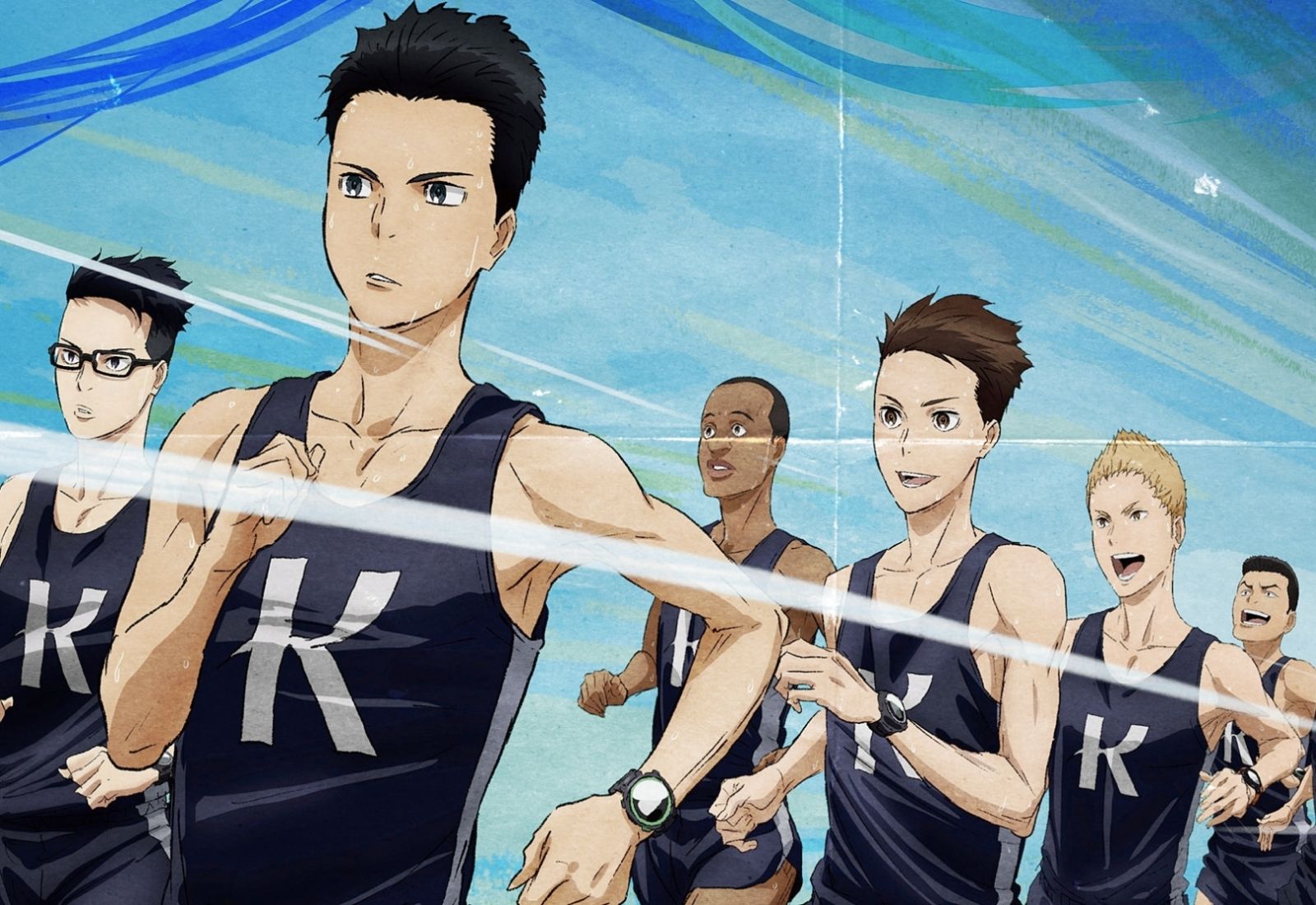
Before Run with the Wind (Kaze ga Tsuyoku Fuiteiru) came along, I had drifted away from sports anime.
The genre had started to feel predictable—underdog teams, relentless training montages, dramatic rivalries, and the inevitable rise to victory. While these elements are exciting, they often begin to blur together. But then came Run with the Wind, a series that didn’t just reignite my love for sports anime; it completely redefined it.
At first glance, Run with the Wind might seem like a typical sports anime about running, but it’s so much more than that. The story follows Kakeru Kurahara, a former elite runner who’s lost his passion for the sport, and Haiji Kiyose, an enigmatic college student with a dream of forming a competitive long-distance running team. What makes this anime stand out is how it focuses on the inner journeys of its characters rather than just the races they compete in.
Run with the Wind explores the psychological and emotional aspects of sports, something many anime in the genre only touch upon superficially. It’s about facing your fears, pushing past your limits, and finding your own pace—not just in running, but in life. Watching each character grow and overcome their personal struggles is as exhilarating as any race. The anime beautifully captures the essence of what it means to be an athlete, showing that the true competition is often with oneself.
What really sets Run with the Wind apart is its ensemble cast. Each of the ten members of the Kansei University Track Club is distinct, with their own backstory and motivations. From the reluctant and reclusive Kakeru to the ever-optimistic Haiji, and even the comedic duo of King and Prince, every character adds depth to the narrative. The series takes its time developing each of them, making their journeys feel personal and impactful.
This isn’t just a story about running; it’s a story about camaraderie, perseverance, and the bonds that form through shared goals. As the team trains for the Hakone Ekiden, one of Japan’s most prestigious university relay marathons, you can’t help but root for them, not because you want them to win, but because you want them to succeed in their personal battles.
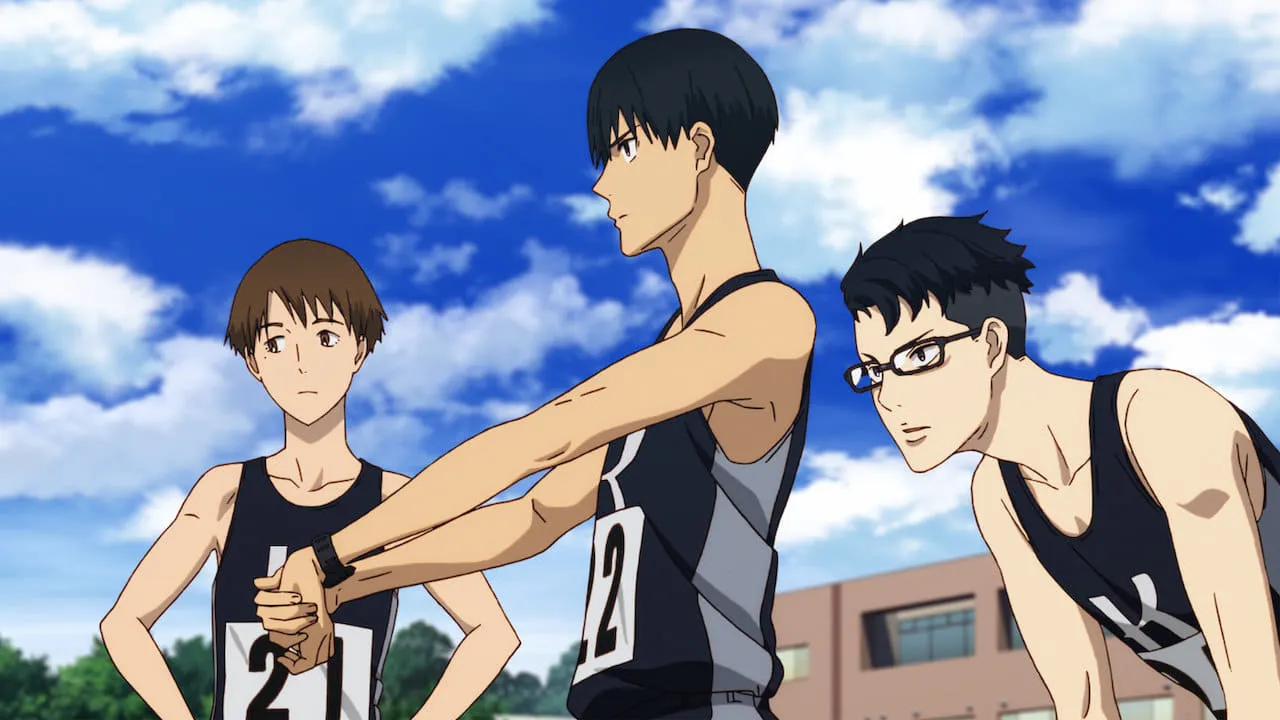
Visually, Run with the Wind is a treat. The animation, particularly during the running sequences, is fluid and dynamic, capturing the speed and intensity of the sport. But it’s not just the races that are beautifully animated; even the quiet and lighter moments, like the team’s interactions in their shared dorm, are rendered with care and attention to detail. The series does an excellent job of balancing the high-energy scenes with more introspective ones, creating a rhythm that keeps you engaged from start to finish.
The soundtrack is equally compelling, with a mix of uplifting and emotional tracks that enhance the viewing experience, thanks to what is now familiar swelling orchestral compositions by one Yuki Hayashi (Haikyuu, Boku no Hero). The opening and ending themes are particularly memorable, perfectly encapsulating the spirit of the anime. Every element of the production works in harmony to create an atmosphere that’s both inspiring and heartfelt.
Run with the Wind didn’t just remind me why I loved sports anime; it showed me how powerful the genre can be when it’s done right. This isn’t a show about winning at all costs—it’s about finding joy in the journey, discovering who you are through the challenges you face, and building bonds that last a lifetime. It’s an anime that understands that the true value of sports lies not in the medals or accolades but in the growth and connections that come with the experience.
This series rekindled my appreciation for sports anime by reminding me that the best stories aren’t just about the games we play but about the lives we live while playing them. Run with the Wind is a testament to the genre’s potential to tell stories that are as much about the heart as they are about the sport. And for that, it has earned a special place in my anime list.
In the end, Run with the Wind didn’t just reconnect me with sports anime—it made me fall in love with the genre all over again. ◾